



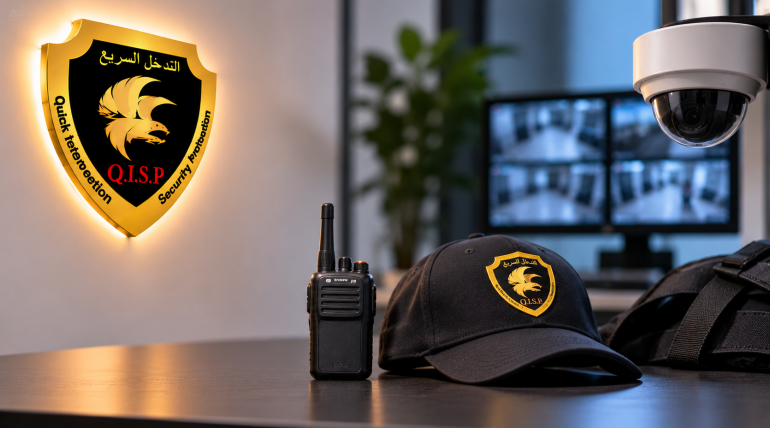
Why Private Security Matters More Than Ever
In an increasingly uncertain world, private security has evolved from a luxury into a necessity for individuals, businesses, and organizations alike. Whether you’re protecting a corporate headquarters, a residential compound, or high-value assets in transit, understanding what professional security services offer can be the difference between vulnerability and peace of mind.
Private security encompasses a broad range of protective services — from armed guards and mobile patrols to smart alarm systems and expert risk assessment. Unlike public law enforcement, private security providers offer tailored, client-specific solutions that respond immediately to your unique needs and risk profile.
This comprehensive guide explores everything you need to know about private security: the types of services available, how to choose the right provider, industry statistics, and expert recommendations. Whether you’re a business owner, a homeowner, or an executive seeking personal protection, this guide will help you make informed decisions about safeguarding what matters most.
What Is Private Security?
Quick Answer: Private security refers to professional protection services provided by licensed, non-governmental organizations or individuals. These services include armed and unarmed guarding, mobile patrols, cash-in-transit protection, alarm system monitoring, and risk consulting. Private security professionals operate in compliance with local laws and regulations to protect people, property, and assets on behalf of paying clients.
The Growing Importance of Private Security
The demand for private security services has surged globally in recent years. Economic uncertainty, rising crime rates in urban areas, and growing threats to business continuity have pushed both individuals and corporations to invest more heavily in professional protection.
[STAT] According to Allied Market Research, the global private security services market is experiencing substantial growth, driven by increasing demand across commercial, residential, and government sectors.
[STAT] A report by Statista found that roughly 2 million private security personnel were employed in the United States alone in 2023 — nearly three times the number of public law enforcement officers — highlighting the scale and societal reliance on private security solutions.
[STAT] The Security Industry Authority (SIA) notes that over 60% of businesses that experienced a security breach in the past five years reported that they lacked a formal risk assessment or professional security plan prior to the incident, underscoring the value of proactive private security consulting.
These numbers tell a clear story: private security is not a niche service — it is a foundational pillar of modern safety strategy.
Types of Private Security Services
Understanding the landscape of private security helps clients choose the most appropriate protection for their situation.
1. Armed and Unarmed Security Guards
The most visible form of private security, guards are deployed at commercial properties, shopping complexes, factories, warehouses, and residential communities. The choice between armed and unarmed personnel depends on the nature of the location, assessed risk levels, and client preferences.
- Armed guards are suited for high-risk environments such as financial institutions, jewelry stores, or sensitive government facilities
- Unarmed guards are ideal for corporate offices, retail spaces, and residential communities where a visible deterrent is needed without escalation risk
[Related: Learn more about [armed security guard services] and when to deploy them]
2. Cash-in-Transit and Valuables Protection
Transporting money or high-value goods exposes businesses to significant risk. Professional private security teams specializing in cash-in-transit services use armored vehicles, tactical protocols, and coordinated handoff procedures to minimize exposure during transportation.
This service is critical for banks, jewelry dealers, retailers, and any organization that regularly moves large sums of cash or irreplaceable items.
3. Mobile Security Patrols
Rather than stationary guarding, mobile patrols offer a dynamic, cost-effective security solution. Patrol teams conduct scheduled and randomized route checks across properties, neighborhoods, or industrial zones.
Mobile patrols are particularly effective for:
- Large campuses or multi-building facilities
- Properties requiring after-hours monitoring
- Areas that need visible deterrence without full-time stationary guards
[Related: Explore the benefits of [mobile patrol security services] for your business]
4. Smart Alarm Systems and Rapid Response
Modern private security extends well beyond human guards. Intelligent alarm systems now integrate:
- Motion sensors that detect unauthorized movement
- Door and window alarms for perimeter protection
- Glass-break detectors that trigger instant alerts
- Smoke and fire detection systems integrated with emergency response protocols
When an alarm is triggered, professional monitoring centers can dispatch rapid-response teams within minutes, drastically reducing potential losses or harm.
5. Residential Protection: Homes, Villas, and Farms
Private security for residential properties combines multiple layers of protection — on-site guards, CCTV surveillance, alarm systems, and regular patrols. This approach is especially important for isolated properties, high-net-worth residences, and agricultural estates where response times from public authorities may be slower.
[Related: Discover [residential security solutions] designed for homes and villas]
6. Risk Assessment and Security Consulting
A professional security provider doesn’t just deploy guards — they analyze your environment first. Risk assessment services identify:
- Vulnerabilities in physical infrastructure
- Gaps in existing security protocols
- Potential threat vectors specific to your industry or location
- Recommended mitigation strategies and action plans
A thorough risk assessment is the foundation of any effective private security plan.
How to Choose the Right Private Security Provider
With countless companies operating in this space, selecting a trustworthy private security partner requires careful evaluation. Here are the key criteria to consider:
Licensing and Regulatory Compliance
Always verify that your security provider operates within the legal framework of your jurisdiction. Reputable providers maintain all necessary government licenses and ensure their personnel are certified and fully compliant with local laws.
Experience and Track Record
Look for a company with a proven history of service delivery across similar client types. Experience in your specific industry — whether it’s healthcare, retail, finance, or residential — matters significantly.
Training Standards
Professional private security personnel should undergo rigorous training that includes physical security techniques, emergency response procedures, legal frameworks, first aid, and conflict de-escalation.
Technology Integration
The best providers combine human expertise with advanced technology — surveillance cameras, GPS-tracked patrol vehicles, digital reporting systems, and integrated alarm monitoring.
Client-Specific Customization
Avoid one-size-fits-all solutions. The best private security firms conduct thorough site evaluations and tailor every aspect of their service — staffing levels, patrol routes, alarm configurations — to your unique environment and risk profile.
Private Security in Jordan: A Trusted Regional Example
One exemplary provider in the Middle East is Al-Tadakhul Al-Saree for Security and Armed Protection, a leading private security company based in Jordan with over a decade of operational experience.
Operating in full compliance with the laws and regulations of the Hashemite Kingdom of Jordan, this company delivers comprehensive security solutions to individuals, corporations, and institutions. Their services include:
- Armed and unarmed guarding for commercial, industrial, and residential sites
- Cash-in-transit and valuables protection with trained specialist teams
- Mobile security patrols providing regular field coverage across multiple locations
- Smart alarm and surveillance systems including motion detection, smoke/fire alarms, and door/glass-break sensors
- Residential protection for homes, villas, and farms using layered security approaches
- Risk assessment and security consulting with customized security plans
With qualified, trained security personnel and state-of-the-art monitoring technology, they represent the standard of professional private security in the Jordanian market — prioritizing readiness, rapid response, and operational excellence.
[Related: Learn more about [professional security services in Jordan] for businesses and residents]
Common Mistakes to Avoid When Hiring Private Security
Even well-intentioned clients make critical errors when procuring security services. Avoid these pitfalls:
- Hiring based on price alone — Underpriced security often means undertrained staff
- Skipping the risk assessment — Without understanding your vulnerabilities, no security plan can be truly effective
- Ignoring licensing verification — Unlicensed providers expose clients to legal and operational liability
- Neglecting technology integration — Human-only solutions have coverage gaps; technology closes them
- Failing to review and update your plan — Security threats evolve; your plan should too
Frequently Asked Questions
Q1: What is the difference between private security and public law enforcement?
A: Private security professionals are hired by individuals or organizations to protect specific clients, properties, or assets. Public law enforcement officers are government employees responsible for maintaining public order and enforcing the law. Private security personnel operate within the scope of their contract and applicable regulations, without the arrest authority typically granted to police officers.
Q2: How do I know if I need armed or unarmed private security?
A: The decision depends on your risk level. Armed private security is typically appropriate for high-risk environments such as banks, cash transport, or facilities in areas with elevated crime rates. Unarmed guards are suitable for lower-risk settings like office buildings, retail stores, or residential communities where deterrence — rather than force — is the primary goal.
Q3: What should a good security risk assessment include?
A: A comprehensive risk assessment should include a physical site inspection, identification of vulnerabilities, analysis of potential threats, review of existing security measures, and a written report with prioritized recommendations. It should also include a proposed security plan tailored to the specific location and operational needs.
Q4: Are smart alarm systems effective without a human response team?
A: Smart alarm systems are most effective when integrated with a rapid-response team. Alarms alone deter opportunistic intruders, but without monitored response, determined criminals may still act before public authorities arrive. The ideal solution combines intelligent alarm technology with a contracted private security team that can respond immediately.
Q5: How much does private security cost?
A: Costs vary significantly based on the type of service, risk level, number of personnel, equipment required, and contract duration. Armed guards and 24/7 coverage naturally cost more than part-time unarmed patrols. Most reputable providers offer a free initial consultation and customized quotation based on your specific requirements.
Conclusion: Investing in Private Security Is Investing in Peace of Mind
Private security is no longer optional for those serious about protecting their people, property, and assets. From intelligent alarm systems and mobile patrols to expert risk assessments and armed protection teams, professional security services provide layered, responsive, and customized protection that public resources alone cannot deliver.
The right private security partner will take time to understand your unique vulnerabilities, design a tailored protection strategy, and stand ready to respond when it matters most. Whether you’re a business owner in need of commercial site protection, a homeowner seeking residential security, or an organization managing high-value assets, there is a professional solution designed for you.
Ready to take the first step? Contact [Al-Tadakhul Al-Saree for Security and Armed Protection] today for a comprehensive risk assessment and discover how a decade of trusted expertise can work to protect everything you value — with professionalism, reliability, and full regulatory compliance in the Hashemite Kingdom of Jordan.